Category: Photography Gear

  • Eco-Friendly Camera Bags and Accessories

    Eco-Friendly Camera Bags and Accessories

    As environmental awareness continues to grow, more photographers are seeking sustainable options for their gear. Eco-friendly camera bags and accessories have become increasingly popular, combining functionality, durability, and a lower environmental impact. These products use sustainable materials, ethical manufacturing processes, and thoughtful designs to minimize their carbon footprint. Here’s a guide to the best eco-friendly camera bags and accessories for photographers who want to reduce their environmental impact while protecting their gear.

    Sustainable Materials in Camera Bags

    Eco-friendly camera bags are made from sustainable materials that are renewable, recycled, or biodegradable. These materials are not only better for the environment but also offer the durability and protection needed to safeguard expensive photography equipment.

    • Recycled Fabrics: Many eco-friendly bags use recycled polyester (rPET), which is made from recycled plastic bottles. This helps reduce plastic waste and energy consumption. Popular brands using rPET include Lowepro and MindShift Gear.
    • Discover Unique Visual Stories Through Photography

      Christography captures powerful moments through a creative lens, turning everyday scenes into lasting memories. For those inspired by vivid storytelling and dynamic perspectives, crazyvegas presents an engaging visual journey from a different angle.

    • Organic Cotton and Hemp: Organic cotton and hemp are natural fibers grown without harmful pesticides or synthetic fertilizers. They are biodegradable, making them excellent choices for environmentally conscious photographers. Think Tank Photo and ONA Bags offer stylish options made from organic cotton.
    • Cork and Bamboo: Cork and bamboo are renewable resources that are harvested sustainably. They are also lightweight, durable, and resistant to water. Brands like Pangaia incorporate cork and bamboo into their bag designs for a unique and eco-friendly option.

    Popular Eco-Friendly Camera Bags

    Several brands are leading the charge in creating eco-friendly camera bags that cater to a range of photography needs. Here are some top options:

    • Lowepro Green Line Collection: Lowepro has introduced the Green Line collection, which features bags made from 100% recycled fabrics. The collection includes the Lowepro PhotoSport BP 15L AW III, a lightweight and comfortable backpack designed for outdoor photographers. It uses sustainable materials and offers excellent protection against the elements.
    • MindShift Gear BackLight Elite 45L: MindShift Gear, a division of Think Tank Photo, embraces an eco-conscious approach. The BackLight Elite 45L, made from durable recycled nylon, serves as an adventure-ready camera backpack. It provides ample space for camera gear and hiking essentials and features a weatherproof coating to withstand harsh conditions.
    • Pangaia X Peli Camera Bag: Crafted from recycled ocean plastic and sustainable fabrics like cork, this limited-edition bag combines a minimalist design with eco-friendly materials. It features padded compartments to protect gear, making it an excellent choice for photographers who want to make a strong environmental statement.
    • WANDRD PRVKE Series: The WANDRD PRVKE series, made from recycled materials, offers modular functionality. With weather-resistant zippers, expandable storage, and padded camera cubes, this bag proves versatile for both urban and adventure photography.
    • 4o mini

    Eco-Friendly Camera Straps

    Camera straps are another accessory where sustainability can make a difference. Eco-friendly camera straps are made from recycled materials, natural fibers, or vegan leather alternatives.

    • Peak Design Slide Lite Eco Edition: Made from recycled nylon, this strap combines style, comfort, and sustainability. It features smooth adjustment hardware and a padded design for extra comfort during long shoots.
    • ONA Presidio Camera Strap: Crafted from full-grain, vegetable-tanned leather and soft neoprene padding, the ONA Presidio is both eco-friendly and luxurious. It’s a great option for photographers looking for a stylish, sustainable strap that provides comfort and durability.
    • Kamera One Hemp Camera Strap: Made from natural hemp, this strap is biodegradable and offers a unique, rugged look. It’s adjustable and comfortable for extended use, making it a perfect fit for eco-conscious photographers.

    Sustainable Lens Cases and Pouches

    Protecting lenses is crucial, and eco-friendly lens cases offer sustainable options without compromising on safety.

    • Tenba BYOB (Bring Your Own Bag) Camera Insert: This insert uses recycled materials and fits into any bag, transforming it into a camera bag. It provides padded protection for lenses and accessories while reducing the need to purchase multiple bags.
    • Domke F-34R 19-Inch Protective Wrap: Made from eco-friendly, water-resistant cotton canvas, this protective wrap provides versatile protection for lenses, cameras, and accessories. Its simple design allows for easy packing in any bag or case.

    Delving into the World of Online Roulette in Australia

    While christography.com focuses on capturing moments through photography, we also acknowledge the diverse interests of our audience. For those seeking online entertainment, online roulette offers an engaging experience. To explore this, consider visiting online roulette australia. This platform provides a user-friendly interface and a variety of roulette options tailored for the Australian market. It’s a convenient way to experience the thrill of online gaming.

    Eco-Friendly Tripod Bags and Protective Covers

    Photographers often overlook tripod bags and protective covers when thinking about sustainability, but these accessories are essential for protecting gear.

    • Manfrotto Element Tripod Bag: This bag, made from recycled polyester, carries lightweight tripods comfortably. It’s designed for travel and outdoor shoots, offering a compact and sustainable solution for transporting tripods.
    • Peak Design Rain Fly: Made from recycled nylon, this protective cover offers weatherproof protection for camera bags. It keeps gear dry and safe from the elements, making it perfect for photographers shooting in challenging environments.

    Ethical Manufacturing Practices

    Many eco-friendly camera bag and accessory brands also emphasize ethical manufacturing practices, including fair labor conditions and reduced waste production. These brands prioritize transparency and responsibility in their supply chains:

    • Peak Design: Committed to sustainable production, Peak Design uses recycled materials, carbon-neutral shipping, and fair labor practices. They also offer a lifetime warranty on their products to reduce waste.
    • Lowepro: The Green Line collection from Lowepro adheres to environmental and ethical standards. The company uses sustainable materials and ensures safe working conditions in its factories.
    • ONA Bags: ONA creates timeless, high-quality products from sustainable materials and ethical craftsmanship. Each handcrafted bag reduces waste and ensures superior quality.

    Tips for Choosing Eco-Friendly Camera Bags and Accessories

    When selecting eco-friendly camera gear, consider the following:

    • Check Material Certifications: Look for bags made from certified recycled or organic materials, such as GRS (Global Recycled Standard) or GOTS (Global Organic Textile Standard).
    • Look for Longevity: Invest in high-quality, durable gear that will last longer, reducing the need for frequent replacements.
    • Support Sustainable Brands: Moreover, choose brands that are transparent about their environmental impact and committed to sustainable practices.
    • Consider Multifunctional Gear: Opt for bags and accessories that serve multiple purposes to minimize the need for additional purchases.

    Eco-Friendly Camera Bags and Accessories

    Conclusion

    In conclusion, Eco-friendly camera bags and accessories offer photographers a way to protect their gear while reducing their environmental footprint. Therefore, by choosing products made from sustainable materials, produced under ethical conditions, and designed for durability, photographers can make more conscious decisions that benefit both their craft and the planet. Whether you’re a seasoned professional or an enthusiast, there are plenty of stylish and functional options to suit your eco-friendly needs.
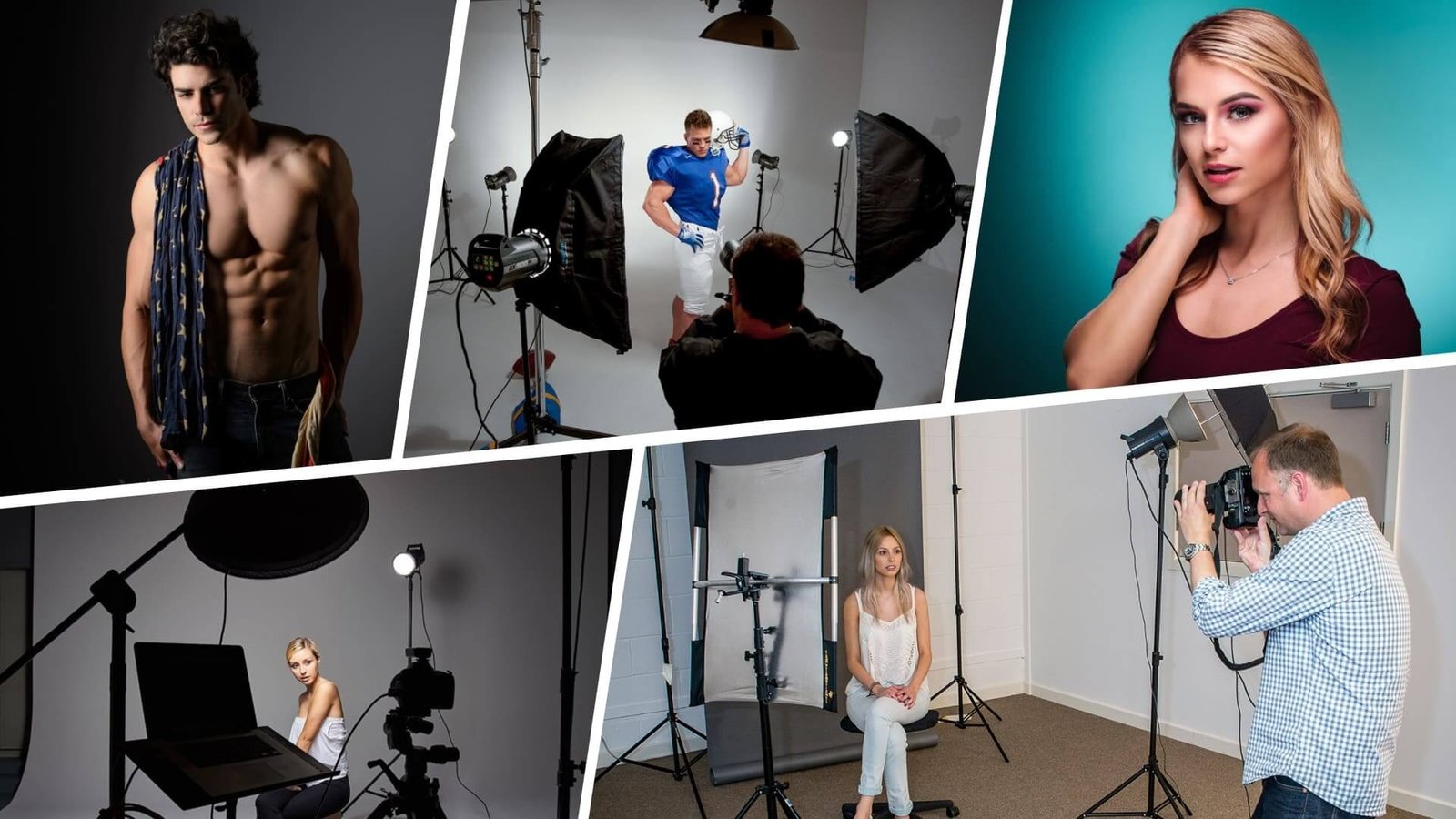
  • Advanced Lighting Gear for Portrait Photography

    Advanced Lighting Gear for Portrait Photography

    Portrait photography relies heavily on lighting to create mood, highlight features, and convey emotions. While natural light is often preferred, artificial lighting allows for more control and creativity in various settings. For advanced portrait photographers, investing in high-quality lighting gear can make a significant difference in the quality and style of their work. Here’s a detailed guide to the best advanced lighting gear for portrait photography, including essential equipment, accessories, and tips for optimizing your setup.

    Explore Aus Online Casino Options

    While you’re exploring the intersection of faith and art through christography, you might also find interest in discovering online entertainment options. For comprehensive reviews and recommendations on online casinos available to players in Australia, you can explore gambling360 aus online casino. Find reputable platforms offering a wide variety of engaging games and secure entertainment for your leisure time here in Harare on this pleasant Monday afternoon.

    Faith and Premium Gaming Experiences

    Christography explores the intersection of faith, photography, and personal testimony, offering a unique visual perspective on spiritual journeys and Christian life. For those seeking premium online entertainment and a thrilling leisure experience during their downtime, the diverse offerings of Wolfwinner VIP Games are a distinct option.

    Studio Strobes

    Studio strobes, or monolights, are powerful, versatile lights that deliver consistent output and allow precise control over lighting. They are ideal for portrait photographers who work in studios or controlled environments. Unlike continuous lights, strobes emit a burst of light when triggered, freezing motion and providing crisp, sharp images.

      • Key Features: High wattage (200-1000Ws), adjustable power settings, fast recycling times, and built-in wireless triggering.
      • Popular Choices: Profoto D2, Godox AD600 Pro, Elinchrom ELC 500.

    Exploring Life Through Every Lens

    Whether capturing vibrant street scenes or discovering new experiences online, sites like crazyvegas.com real money casinos offer a digital escape that parallels the thrill of travel photography. Both reflect the beauty of spontaneity and the excitement of the unexpected.

    • Pros: Powerful output, fast recycling, great for high-speed sync (HSS) photography.
    • Cons: Bulky, requires a power source (battery or AC).

    Embedding Thoughtful Links in Faith-Driven Content

    At Christography, we explore themes of spiritual growth, biblical insights, and faith journeys in a voice that uplifts and guides. Occasionally, to illustrate best practices in external linking, we include a no-follow reference like jackpotjillvip Casino VIP. Our main priority remains offering meaningful reflections, devotionals, and scriptural wisdom. Any such link is added carefully to stay consistent with our spiritual and editorial tone.

    Exploring Christography and Online Entertainment

    Christography.com appears to be a website dedicated to Christian photography, showcasing images or offering resources related to faith-based visual content. For those seeking engaging digital experiences, you can discover more at stellarspins casino. We encourage responsible engagement with all online activities, balancing your appreciation for Christian art with mindful online leisure.

    Exploring Digital Engagement and Creativity

    Just as Christography.com empowers visual artists to capture powerful stories through photography and videography, understanding how to leverage digital platforms enhances various forms of engagement. We explore technological advancements and tools for creative expression. For those seeking diverse online entertainment, the accessibility of mobile casinos offers another dynamic avenue for digital leisure, where interactive experiences are readily available through modern technology.

    Speedlights

    Speedlights are compact, portable flashes that can be mounted on a camera or used off-camera with wireless triggers. For advanced portrait photographers, speedlights offer flexibility and convenience, making them suitable for on-location shoots where portability is essential.

    • Key Features: TTL (Through-The-Lens) metering, HSS capabilities, zoom settings, and adjustable power levels.
    • Popular Choices: Canon Speedlite 600EX II-RT, Nikon SB-5000 AF, Godox V1.
    • Pros: Portable, versatile, ideal for fill light or accent lighting.
    • Cons: Lower power output compared to studio strobes, requires multiple units for large setups.

    Framing Your Digital Leisure

    Christography.com showcases the art of photography, capturing moments and expressions through a creative lens. After focusing on visual artistry, some individuals enjoy unwinding with different forms of online entertainment. For those seeking engaging and vibrant digital games, exploring platforms that feature crazyvegas slots online can provide a fun and visually stimulating diversion. Always remember to enjoy digital entertainment responsibly and in balance with your creative pursuits.

    Continuous LED Lights

    Continuous LED lights are gaining popularity due to their versatility, especially for hybrid shooters who work with both photography and videography. LEDs offer consistent lighting and allow photographers to see the lighting effect in real-time. They are also ideal for beginners transitioning to advanced lighting techniques.

    • Key Features: Adjustable color temperature, dimmable output, and quiet operation.
    • Popular Choices: Aputure LS C300d II, Rotolight Titan X2, Godox SL200II.
    • Pros: Real-time lighting effects, easy to use, no recycling time.
    • Cons: Lower power compared to strobes, can generate heat, limited HSS capabilities.

    Light Modifiers

    Light modifiers are essential accessories that shape, soften, or direct light to achieve various effects. Advanced portrait photographers use a range of modifiers to create different moods, from soft and flattering to dramatic and high-contrast.

    • Softboxes: Softboxes create soft, even light by diffusing the strobe or continuous light. Popular options include the Westcott Rapid Box Octa, Elinchrom Rotalux, and Godox Softbox with Grid.
    • Beauty Dishes: Beauty dishes provide a soft yet crisp light with a natural falloff, ideal for beauty and fashion portraits. Recommended options are the Profoto Beauty Dish and Glow Grand Para.
    • Reflectors and V-Flats: Reflectors bounce light back onto the subject, filling in shadows. V-Flats are versatile tools for controlling light and shadow, creating a more dynamic portrait.
    • Grids and Snoots: Grids and snoots focus light into a narrow beam, perfect for accent lighting or creating dramatic effects.

    Light Stands and Boom Arms

    Sturdy and adjustable light stands are crucial for positioning lights at various angles and heights. Boom arms allow for more flexibility by enabling overhead lighting, which is especially useful for hair or rim lights.

    • Popular Choices: Manfrotto 1052BAC Light Stand, Avenger C-Stand, Impact Turtle Base C-Stand.
    • Pros: Durable, versatile, supports heavy lights and modifiers.
    • Cons: Heavy, not ideal for on-the-go shooting.

    Wireless Triggers and Receivers

    Wireless triggers and receivers are essential for advanced lighting setups, allowing photographers to remotely control and synchronize multiple lights. They provide flexibility in positioning lights without the need for cumbersome sync cables.

    • Popular Choices: PocketWizard FlexTT5, Godox XPro, Phottix Odin II.
    • Pros: Reliable synchronization, long-range control, supports HSS.
    • Cons: Requires compatibility checks between brands, additional setup time.

    Light Meters

    For precise exposure control, light meters are invaluable tools for advanced portrait photographers. They measure the intensity of light, helping photographers set accurate exposure settings for consistent results.

    • Popular Choices: Sekonic L-308X-U, Sekonic L-858D-U, Gossen Digisky.
    • Pros: Accurate exposure settings, enhances consistency, reduces post-processing time.
    • Cons: Additional equipment to carry, learning curve for beginners.

    Portable Power Solutions

    On-location shoots often require portable power solutions, such as battery packs or inverters, to power studio strobes and continuous lights. These solutions ensure uninterrupted shooting, especially in remote areas without access to power outlets.

    • Popular Choices: Godox WB87 Battery Pack, Paul C. Buff Vagabond Lithium Extreme, EcoFlow DELTA Max.
    • Pros: Portable, reliable, ideal for outdoor shoots.
    • Cons: Limited battery life, additional weight.

    Advanced Lighting Gear for Portrait Photography

    Advanced Lighting Techniques

    Beyond gear, mastering advanced lighting techniques is essential for portrait photography. Techniques such as Rembrandt lighting, split lighting, and butterfly lighting offer different ways to shape light and create dramatic effects.

    • Rembrandt Lighting: Creates a triangular patch of light on the cheek, adding depth and dimension.
    • Split Lighting: Illuminates one side of the face, creating a strong contrast and dramatic look.
    • Butterfly Lighting: Positioned above and in front of the subject, casting a butterfly-shaped shadow under the nose, often used in beauty and fashion portraits.

    Conclusion

    Investing in advanced lighting gear is crucial for portrait photographers looking to elevate their craft. From powerful studio strobes and versatile speedlights to innovative continuous LED lights and essential light modifiers, each piece of equipment plays a vital role in achieving stunning portraits. Understanding the capabilities and limitations of each gear type, and learning how to use them effectively, can transform a good portrait into a masterpiece.

  • External Flash vs. Built-In Flash: Benefits

    External Flash vs. Built-In Flash: Benefits

    Photography often requires good lighting to capture the best images. Choosing between an external flash and a built-in flash can impact your results. Each type of flash has its own advantages and applications. Let’s explore the benefits of using an external flash compared to a built-in flash.

    1. Increased Power and Range

    An external flash generally offers more power than a built-in flash. This increased power helps in lighting up larger areas and provides better illumination for distant subjects. Additionally, an external flash can often be adjusted to different settings, allowing for more control over the lighting. Consequently, this flexibility can greatly enhance your photos.

    2. Better Control Over Lighting

    External flashes allow you to control the direction and angle of the light. This ability helps in reducing harsh shadows and achieving more natural-looking photos. You can also use various diffusers and modifiers with an external flash to soften the light and create more flattering effects. On the other hand, built-in flashes often have limited direction and control, which may lead to less desirable lighting results.

    3. Improved Portrait Quality

    When taking portraits, external flashes can significantly improve the quality of your images. By positioning the external flash off-camera, you can create more dynamic and professional-looking portraits. This setup helps in achieving softer and more flattering lighting on your subjects. Built-in flashes, being directly on-camera, tend to produce flat and harsh light, which may not be ideal for portrait photography.

    4. Greater Flexibility for Creative Photography

    External flashes offer greater flexibility for creative photography. You can use multiple external flashes and position them in various ways to create complex lighting setups. This flexibility allows you to experiment with lighting techniques and achieve different effects. Built-in flashes do not provide this level of versatility, limiting your ability to explore creative lighting options.

    5. Less Red-Eye Effect

    Red-eye is a common issue with built-in flashes, especially in low-light conditions. This effect occurs when the light from the flash reflects off the subject’s eyes, creating a red appearance. External flashes can help reduce or eliminate the red-eye effect by allowing you to position the flash away from the camera. Additionally, some external flashes come with red-eye reduction features to further mitigate this issue.

    6. Enhanced Battery Life

    Using an external flash often extends your camera’s battery life. Built-in flashes consume battery power quickly, especially during extended shooting sessions. External flashes typically have their own power sources, which reduces the strain on your camera’s battery. This advantage is particularly useful for long events or photo sessions.

    7. Professional Look and Feel

    External flashes are commonly used by professional photographers due to their superior performance and versatility. They can help achieve a more polished and professional look in your photos. By investing in an external flash, you elevate your photography equipment to meet professional standards and enhance the overall quality of your work.

    8. Ability to Use Light Modifiers

    External flashes often come with or support various light modifiers, such as softboxes and bounce cards. These modifiers help in controlling the quality and direction of light, allowing you to achieve different photographic effects. Built-in flashes usually lack this flexibility, limiting your ability to modify the light for specific effects.

    9. Better Performance in Low-Light Conditions

    External flashes perform better in low-light conditions compared to built-in flashes. They offer more power and better control, which is crucial for capturing clear and well-lit images in dim environments. Built-in flashes may struggle to provide adequate lighting in such conditions, resulting in underexposed or poorly lit photos.

    In conclusion, while built-in flashes offer convenience, external flashes provide greater power, flexibility, and control. They enhance the quality of your photos, especially in challenging lighting conditions. For more professional results and creative freedom, investing in an external flash is a worthwhile consideration.

  • The Latest Innovations in Photography Gear

    The Latest Innovations in Photography Gear

    Photography gear evolves rapidly. Staying updated with the latest innovations ensures you capture stunning images. In 2024, several advancements are transforming the world of photography. Let’s explore what’s new and exciting in photography gear.

    1. Next-Generation Mirrorless Cameras

    Mirrorless cameras continue to lead the way in innovation. The latest models offer faster autofocus and improved image stabilization. They also feature higher resolution sensors, which provide exceptional image clarity. With advancements in AI, these cameras now offer real-time scene recognition and subject tracking. Therefore, capturing dynamic shots has never been easier.

    2. Enhanced Computational Photography

    Computational photography is revolutionizing how images are processed. New cameras now integrate advanced algorithms to enhance image quality. For instance, features like night mode and HDR processing are more refined. These advancements help in achieving clearer and more vibrant photos. Consequently, you can take professional-grade images with minimal effort.

    3. Advanced Lenses with Optical Innovations

    Lenses have also seen significant advancements. New lens designs incorporate better optical elements to reduce aberrations and distortions. This leads to sharper and more accurate images. Additionally, many lenses now come with built-in image stabilization. This is particularly useful for handheld shooting and low-light conditions.

    4. Compact and Lightweight Tripods

    Tripods have become more compact and lightweight. Modern materials like carbon fiber make these tripods durable yet easy to carry. They also offer improved stability and ease of use. Some models even include built-in gimbals for smooth video recording. These innovations make them perfect for both travel and studio use.

    5. Cutting-Edge Camera Drones

    Camera drones continue to advance with enhanced features. New models offer better flight stability and longer battery life. They also come equipped with high-resolution cameras and advanced gimbal systems. These drones now support 8K video recording, offering stunning aerial shots. As a result, capturing breathtaking landscapes and dynamic scenes is easier than ever.

    6. Smart Camera Bags

    Camera bags are evolving with smart features. New designs include integrated charging ports and GPS trackers. These bags help keep your gear organized and ensure it is always charged. Additionally, some models offer customizable compartments for different types of equipment. These innovations make carrying and using your gear more convenient.

    7. High-Resolution Monitors for Editing

    For editing, high-resolution monitors are now essential. The latest models offer 4K and 8K resolutions, providing precise color accuracy. These monitors support a wide color gamut, essential for professional photo editing. Moreover, they come with ergonomic designs to enhance comfort during long editing sessions.

    8. Wireless Connectivity and Cloud Integration

    Wireless connectivity has become standard in new photography gear. Cameras and accessories now support seamless data transfer to your devices. Cloud integration allows for easy storage and sharing of images. This connectivity streamlines your workflow and keeps your files accessible from anywhere.

    9. Advanced Lighting Solutions

    Lighting solutions have also advanced. New lighting systems offer more control over color temperature and intensity. These systems are now more compact and versatile. Some include smart features for remote control and customization. As a result, achieving the perfect lighting setup is more straightforward.

    10. Innovative Editing Software

    Finally, editing software continues to evolve. New applications offer AI-driven features for automated adjustments. These tools can enhance image quality and streamline your editing process. With improved user interfaces and advanced functionalities, editing has become more intuitive and efficient.

    In summary, 2024 brings exciting innovations to photography gear. From advanced cameras and lenses to smart accessories and software, these advancements enhance your photography experience. By staying updated with the latest gear, you can capture and create stunning images with ease. Whether you are a professional or an enthusiast, these innovations will help you achieve your creative vision.

  • Emerging Technologies in Photography Gear

    Emerging Technologies in Photography Gear

    In the world of photography, staying updated with emerging technologies in photography gear is essential. As new innovations continue to shape how we capture images, understanding these technologies can help you make better decisions when upgrading your equipment. This article will explore some of the most exciting emerging technologies in photography gear and how they’re revolutionizing the way we take pictures.

    Enhanced Autofocus Systems

    One of the emerging technologies in photography gear is the improvement of autofocus systems. Cameras are becoming smarter with advanced autofocus technology, making it easier to track and capture fast-moving subjects. Eye-detection autofocus, for instance, is now more precise, allowing portrait photographers to ensure that their subjects’ eyes are always in perfect focus. This technology is particularly useful in sports and wildlife photography, where every second counts.

    As photographers, we understand the importance of reliable tools in any professional setting. Whether you’re capturing once-in-a-lifetime moments or managing client galleries, having dependable systems matters across all industries. I recently learned how streamlined access solutions, like those at JokaVIProom Casino Login, ensure seamless user experiences—similar to how quality gear guarantees perfect shots every time.

    Just as we invest in durable camera equipment for flawless performance, other sectors prioritize secure, efficient entry points for their platforms. This universal need for reliability connects creatives and professionals everywhere.

    Emerging Technologies in Photography Gear
    Emerging Technologies in Photography Gear

    Mirrorless Cameras

    Another exciting development in photography gear is the rise of mirrorless cameras. Mirrorless technology has gained popularity due to its lighter weight and more compact size compared to traditional DSLRs. This makes them highly portable without compromising on image quality. In addition, mirrorless cameras have faster shooting speeds and more accurate autofocus, making them ideal for both amateur and professional photographers.

    Artificial Intelligence in Photography

    AI is another one of the emerging technologies in photography gear that’s making a big impact. From automatic scene detection to intelligent editing tools, AI-powered features help photographers capture better images with less manual effort. AI assists in real-time settings, optimizing exposure and color balance based on the scene you’re shooting. This technology is also seen in editing software, where AI can automatically enhance photos, saving time and effort.

    5-Axis Image Stabilization

    Stabilizing images has always been important in photography, and the introduction of 5-axis image stabilization is one of the latest emerging technologies in photography gear. This system compensates for movement on all axes, ensuring that your photos remain sharp, even when shooting handheld or in low light. Whether you’re photographing landscapes or capturing videos, this technology makes a noticeable difference in the quality of your images.

    Smartphone Integration

    With smartphones playing a larger role in our lives, one of the emerging technologies in photography gear is better smartphone integration. Many modern cameras now come with Wi-Fi or Bluetooth connectivity, allowing you to instantly transfer photos to your smartphone. This feature makes it easy to share your photos on social media or with clients on the go, making your workflow faster and more efficient.

    Advanced Sensor Technology

    Sensor technology is constantly evolving, and it’s one of the key emerging technologies in photography gear. The latest sensors offer higher resolution, improved dynamic range, and better low-light performance. These advancements allow photographers to capture more detailed and vibrant images, even in challenging lighting conditions. Cameras with larger sensors also provide greater flexibility when it comes to cropping and enlarging images without losing quality.

    Electronic Viewfinders (EVFs)

    Electronic viewfinders (EVFs) are becoming more common in modern cameras and are considered a vital part of emerging technologies in photography gear. Unlike traditional optical viewfinders, EVFs provide a real-time preview of how the final image will look. This feature is particularly useful in adjusting exposure, white balance, and other settings before taking the shot. With EVFs, what you see is exactly what you’ll get, reducing the chances of unwanted surprises in your photos.

    Foldable LCD Screens

    Flexibility in composition is key, and foldable LCD screens are one of the emerging technologies in photography gear that cater to this need. These screens allow photographers to shoot from difficult angles, whether it’s high above the crowd or low to the ground. Being able to tilt and swivel the screen gives you more creative freedom when framing your shots, especially in situations where using a viewfinder might be impractical.

    Compact Drone Cameras

    Drone cameras are now a crucial part of photography, and compact, high-quality drone cameras are another example of emerging technologies in photography gear. Drones equipped with advanced cameras allow photographers to capture stunning aerial shots, offering unique perspectives that would be impossible to achieve otherwise. These drones are becoming more affordable and user-friendly, making aerial photography accessible to a wider range of users.

    3D and 360-Degree Imaging

    Lastly, 3D and 360-degree imaging are becoming more prominent in photography gear. These emerging technologies provide immersive experiences by capturing images in all directions. Whether for virtual tours or creative content, 360-degree photography is opening new doors for photographers. This technology is being widely adopted in fields such as real estate, tourism, and event photography, offering clients more interactive and engaging visuals.

    Conclusion

    In conclusion, emerging technologies in photography gear are revolutionizing the way we capture and create images. From AI-enhanced autofocus systems to advanced sensor technology and compact drones, these innovations provide photographers with better tools for creative expression. As the photography world continues to evolve, staying updated with these technologies ensures that you’re always ahead of the curve, ready to capture the perfect shot.

  • Choosing the Right Memory Cards for Photography

    Choosing the Right Memory Cards for Photography

    Selecting the right memory card is crucial for photographers to ensure smooth shooting sessions, quick transfers, and reliable storage of precious moments. With various types and specifications available, choosing the right one can be challenging. This guide covers essential factors to consider when selecting memory cards for photography. Choosing the Right Memory Cards for Photography.

    1. Understand Memory Card Types

    The first step in choosing a memory card is understanding the different types available:

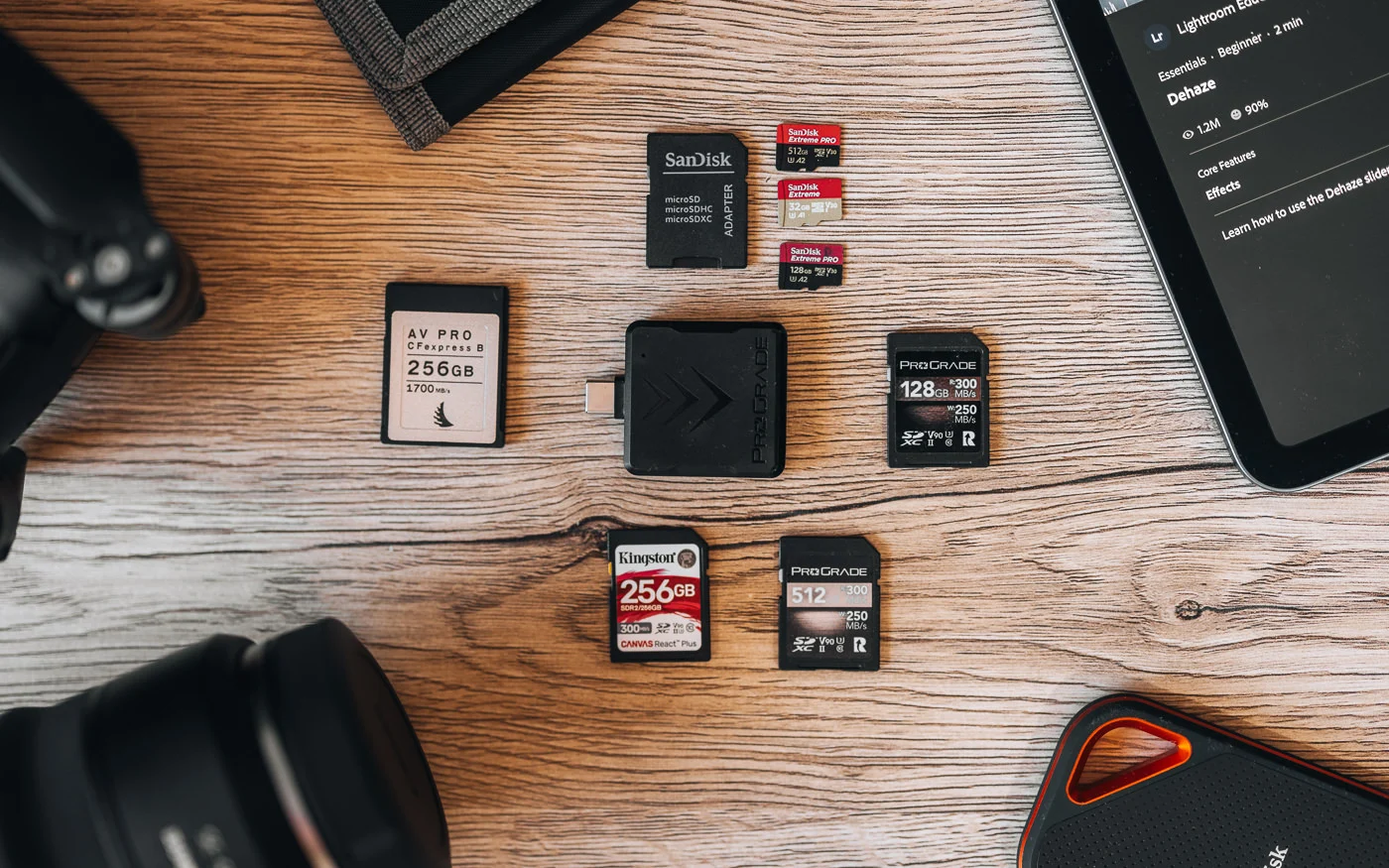
    • SD Cards (Secure Digital Cards): The most common type used in cameras today. They come in three main types: SD, SDHC (Secure Digital High Capacity), and SDXC (Secure Digital Extended Capacity). SDHC cards offer storage from 4GB to 32GB, while SDXC cards range from 32GB to 2TB.
    • CF Cards (CompactFlash Cards): Popular among professional photographers for their durability and larger storage capacity. They are slightly larger and more robust than SD cards.
    • CFast and XQD Cards: Used in high-end DSLRs and mirrorless cameras. They provide faster read and write speeds, essential for continuous shooting and 4K video recording.
    • MicroSD Cards: Smaller versions of SD cards, mainly used in smartphones and action cameras. With an adapter, they can also be used in standard SD card slots.

    Understanding the different types helps you match the right card with your camera’s specifications and shooting style.

    Choosing the Right Memory Cards for Photography

    2. Consider Storage Capacity

    Storage capacity is crucial for photographers who shoot in RAW format or record high-resolution videos:

    • Small Capacity (4GB to 32GB): Suitable for casual photography and entry-level cameras. These cards are ideal for everyday snapshots or light shooting sessions.
    • Medium Capacity (64GB to 128GB): Perfect for enthusiast photographers who shoot in RAW or JPEG. It provides a good balance between capacity and price.
    • Large Capacity (256GB to 1TB and above): Ideal for professional photographers who shoot high-resolution images and 4K videos. It allows longer shooting sessions without frequently changing cards.

    Consider your photography style and choose a card that meets your storage needs without compromising on performance.

    3. Pay Attention to Speed Ratings

    Speed ratings are essential for photographers who need fast read and write speeds:

    • Read Speed: Determines how fast data can be transferred from the card to a computer. A higher read speed means quicker backups.
    • Write Speed: Affects how fast images or videos are written to the card. This is crucial for burst shooting and high-resolution video recording.

    Memory cards have different speed ratings, such as Class 10, UHS-I, UHS-II, V30, V60, and V90. For still photography, Class 10 or UHS-I cards are sufficient. For 4K video or burst shooting, opt for UHS-II or higher-rated cards.

    4. Check Compatibility with Your Camera

    Ensure the memory card you choose is compatible with your camera:

    • Camera Manuals: Always check your camera’s manual for the recommended memory card types and maximum supported capacities.
    • Firmware Updates: Sometimes, newer cards require camera firmware updates to be compatible. Regularly update your camera’s firmware to avoid compatibility issues.

    Choosing a compatible memory card ensures smooth performance and prevents potential data loss.

    5. Look for Durability and Reliability

    Memory cards should be durable enough to withstand various shooting conditions:

    • Waterproof, Shockproof, and X-Ray Proof: Some memory cards, like those from SanDisk and Lexar, come with added durability features such as waterproofing, shockproofing, and X-ray protection.
    • Temperature Resistance: Cards that can withstand extreme temperatures are ideal for outdoor and adventure photographers.

    Investing in reliable and durable memory cards minimizes the risk of data loss during shoots.

    6. Consider Brand Reputation

    Choosing a reputable brand ensures reliability and support in case of issues:

    • Top Brands: SanDisk, Lexar, Sony, Kingston, and Transcend are well-known for their quality and durability. They offer warranties and data recovery options.
    • Avoid Cheap Alternatives: Low-cost, no-name cards may save money initially but pose a significant risk of failure and data loss.

    Opting for reputable brands provides peace of mind and long-term reliability.

    7. Think About Backup Options

    Having multiple memory cards is a good practice to prevent data loss:

    • Multiple Cards: Instead of using a single large-capacity card, consider using multiple smaller ones. This approach reduces the risk of losing all data if a card fails.
    • Dual Card Slots: Many professional cameras have dual card slots. Utilize them for backup by saving images simultaneously on both cards.

    Planning for backups can prevent catastrophic losses in case of a card failure.

    Conclusion

    Choosing the right memory card for photography involves understanding different types, capacities, and speed ratings. Consider your camera’s compatibility, brand reputation, and durability features to ensure your data is safe and your photography experience is seamless. By investing in the right memory card, you enhance your workflow and safeguard your creative work.

  • Lighting Equipment for Professional Photography Results

    Lighting Equipment for Professional Photography Results

    Lighting is a critical component in achieving professional photography results. Whether you are shooting portraits, products, or landscapes, the right lighting equipment can make all the difference. This guide explores essential lighting equipment for professional photography, helping you choose the best tools to enhance your shots.

    1. Studio Strobes

    Studio strobes are powerful lights designed for studio photography:

    • Key Features: They provide a high level of brightness and are adjustable to suit different lighting conditions. Studio strobes have fast recycle times, allowing for quick shots.
    • Top Choices: The Godox AD600Pro is a popular choice for its powerful output and versatile use. Another great option is the Profoto D2, known for its reliability and high-speed sync capabilities.

    Studio strobes are ideal for professional studio setups where consistent and powerful lighting is required.

    Lighting Equipment for Professional Photography Results

    2. Speedlights

    Speedlights, or external flashes, are compact and versatile lighting options for on-the-go photographers:

    • Key Features: They are portable and battery-operated, providing flexibility for indoor and outdoor shoots. Speedlights can be mounted on or off-camera for creative lighting effects.
    • Top Choices: The Canon Speedlite 600EX II-RT is highly recommended for its powerful output and wireless functionality. The Nikon SB-700 is another excellent option, offering reliable performance and easy-to-use controls.

    Speedlights are perfect for events, weddings, and portrait photography, where mobility and quick setup are essential.

    3. Continuous Lighting

    Continuous lighting provides constant illumination, making it easier to see how the light affects the subject:

    • Key Features: Unlike strobes or flashes, continuous lights stay on, allowing photographers to see the effect in real-time. They are great for both photography and videography.
    • Top Choices: The Neewer 660 LED Video Light offers adjustable brightness, color temperature control, and battery compatibility. The Godox SL-60W is another popular option, providing soft, steady light and quiet operation.

    Continuous lighting is ideal for product photography, portraits, and videos where consistent light is crucial.

    4. Softboxes

    Softboxes diffuse light, creating soft and even illumination for flattering portraits and product shots:

    • Key Features: They soften the light from a strobe or continuous light, reducing harsh shadows. Softboxes come in various shapes, such as rectangular, octagonal, and strip.
    • Top Choices: The Godox 80cm Octagon Softbox is a versatile option for studio and location shoots. The Neewer Softbox Lighting Kit provides an affordable and comprehensive setup for beginners.

    Softboxes are perfect for portrait and product photography, where soft, diffused light enhances the subject.

    5. Umbrellas

    Umbrellas are another popular modifier that softens and spreads light, making them great for beginners:

    • Key Features: They are lightweight, portable, and easy to set up. Umbrellas come in two main types: shoot-through (white) and reflective (silver or gold).
    • Top Choices: The Westcott 7-Foot Parabolic Umbrella offers a large surface area for soft, diffused light. The Neewer 43-Inch White Translucent Umbrella is another reliable choice for softer light.

    Umbrellas are ideal for portrait and event photography where quick setup and soft light are desired.

    6. Ring Lights

    Ring lights are circular lights that provide even, shadow-free illumination, perfect for beauty and macro photography:

    • Key Features: They create a unique catchlight in the subject’s eyes and offer even lighting for close-up shots. They are popular among makeup artists, vloggers, and portrait photographers.
    • Top Choices: The Neewer 18-Inch LED Ring Light Kit offers adjustable brightness and color temperature settings. The Godox LR150 LED Ring Light is another great choice, providing versatile lighting and easy setup.

    Ring lights are great for portrait, beauty, and macro photography, where soft, even lighting enhances details.

    7. Light Stands

    Light stands provide stability and height adjustment for your lighting equipment:

    • Key Features: They are adjustable, durable, and come in various sizes to accommodate different types of lighting gear. Sturdy light stands are essential for safe and secure setups.
    • Top Choices: The Manfrotto 1004BAC is a heavy-duty stand known for its stability and build quality. The Neewer Light Stand is a more budget-friendly option, offering reliable support for most lighting setups.

    Light stands are essential for any photography setup, ensuring that your lights are securely positioned.

    8. Reflectors and Diffusers

    Reflectors and diffusers help control and manipulate natural or artificial light:

    • Key Features: Reflectors bounce light back onto the subject, while diffusers soften harsh light. They are portable and easy to use, making them ideal for both indoor and outdoor shoots.
    • Top Choices: The Neewer 5-in-1 Collapsible Reflector offers versatility with gold, silver, white, black, and translucent surfaces. The Westcott 42-Inch 6-in-1 Reflector Kit provides comprehensive options for various lighting needs.

    Reflectors and diffusers are great for portrait, fashion, and outdoor photography, where controlling light is crucial.

    Conclusion

    Choosing the right lighting equipment is essential for achieving professional photography results. Whether you prefer the powerful output of studio strobes, the versatility of speedlights, or the convenience of continuous lighting, there is a lighting setup to suit every photographer’s needs. By investing in the right equipment, you can create stunning images with enhanced lighting quality and creative control.

  • Best Camera Bags for Safe Transport

    Best Camera Bags for Safe Transport

    A reliable camera bag is essential for safely transporting your photography gear. A good camera bag protects your equipment from damage, offers easy access, and provides comfort during travel. This guide explores the best camera bags for safe transport, focusing on durability, functionality, and user comfort.

    1. Backpack Camera Bags

    Backpack camera bags are perfect for photographers who need to carry multiple pieces of equipment comfortably:

    • Key Features: They distribute weight evenly across both shoulders, providing comfort during long periods of wear. They offer multiple compartments for organizing camera bodies, lenses, and accessories.
    • Top Choices: The Lowepro ProTactic BP 450 AW II is a popular choice. It offers customizable compartments, durable materials, and a comfortable fit. Another great option is the Manfrotto Pro Light Backpack. It features water-repellent fabric and ample space for professional gear.

    Backpack camera bags are ideal for travel, hiking, and outdoor shoots where comfort and capacity are essential.

    Best Camera Bags for Safe Transport

    2. Messenger Camera Bags

    Messenger camera bags offer quick access to your camera gear, making them perfect for street photography and everyday use:

    • Key Features: Worn over one shoulder, they allow easy access to your camera and lenses without removing the bag. They are compact and stylish, fitting seamlessly into urban environments.
    • Top Choices: The Peak Design Everyday Messenger is highly recommended. It offers a sleek design, adjustable dividers, and weatherproof fabric. The Think Tank Retrospective 30 is another excellent option. It combines a discreet look with high functionality and durability.

    Messenger bags provide a balance of style, convenience, and security for photographers on the go.

    3. Sling Camera Bags

    Sling camera bags provide quick access and a compact design, ideal for photographers who need mobility:

    • Key Features: Worn across the body, sling bags can be easily rotated to the front for fast access to gear. They are lightweight and compact, offering enough space for a camera and a few lenses.
    • Top Choices: The Lowepro Slingshot Edge 250 AW offers easy access, padded compartments, and all-weather protection. The Peak Design Everyday Sling is another great choice. It comes with customizable interior dividers and a weatherproof exterior.

    Sling bags are perfect for photographers who want to travel light and need quick access to their gear.

    4. Rolling Camera Bags

    Rolling camera bags are ideal for photographers with heavy gear, especially when traveling through airports or attending events:

    • Key Features: Equipped with wheels and a telescopic handle, they offer easy transport without straining your back. They provide ample space for multiple camera bodies, lenses, and accessories.
    • Top Choices: The Think Tank Airport Roller Derby is a top choice. It features a robust design, multiple compartments, and smooth-rolling wheels. Another great option is the Vanguard Alta Fly 62T, which offers customizable storage and padded dividers.

    Rolling camera bags are best for professional photographers who need to carry a lot of gear over long distances.

    5. Hard Case Camera Bags

    Hard case camera bags offer maximum protection, making them ideal for extreme environments or situations where gear might be at risk:

    • Key Features: Made from rugged, waterproof materials, they provide excellent protection against impact, dust, and water. They come with foam inserts for custom fitting and cushioning.
    • Top Choices: The Pelican 1510 Protector Case is a leading choice. It offers watertight protection, a durable build, and customizable foam interiors. The Nanuk 935 Hard Case is another reliable option, featuring a secure locking mechanism and sturdy wheels.

    Hard case camera bags are best suited for adventure photography, travel, and transporting gear in challenging conditions.

    6. Tote Camera Bags

    Tote camera bags offer a stylish and functional solution for photographers who need to carry both camera gear and personal items:

    • Key Features: They have a casual appearance and come with padded compartments for cameras and lenses. They provide space for additional items like a laptop or personal accessories.
    • Top Choices: The Peak Design Everyday Tote is popular for its stylish design, weatherproof material, and customizable interior. Another excellent choice is the Domke F-5XB Shoulder and Belt Bag, which offers durability and a classic design.

    Tote camera bags are great for photographers looking for a multipurpose bag that combines style and practicality.

    7. Holster Camera Bags

    Holster camera bags provide a compact, easy-to-carry solution for photographers who need quick access to their camera:

    • Key Features: Designed to fit a camera with a lens attached, they offer minimal bulk and maximum accessibility. They can be worn on a belt or carried using a shoulder strap.
    • Top Choices: The Lowepro Toploader Pro 70 AW II is a solid choice. It offers a compact design, all-weather cover, and adjustable strap. The Think Tank Digital Holster 20 V2.0 is another excellent option, featuring an expandable bottom and a form-fitting design.

    Holster camera bags are perfect for photographers who want to stay lightweight and have fast access to their camera.

    Conclusion

    Choosing the right camera bag depends on your photography style, the amount of gear you carry, and your travel needs. From versatile backpacks to compact holsters, each type of bag offers unique benefits. By selecting a camera bag that suits your specific requirements, you can ensure safe transport, easy access, and comfort, making your photography adventures more enjoyable and efficient. Safe Transport.


  • Upgrading Your Photography Gear on a Budget

    Upgrading Your Photography Gear on a Budget

    Upgrading your photography gear doesn’t have to break the bank. With thoughtful planning and strategic purchases, you can enhance your setup without spending a fortune. This guide provides practical tips for upgrading your photography gear on a budget, focusing on maximizing value and improving your gear effectively.

    1. Prioritize Your Needs

    Start by assessing your current gear and identifying areas that need improvement:

    • Evaluate Your Equipment: Determine which components of your setup are outdated or lacking. Consider whether you need better lenses, a more advanced camera body, or additional accessories.
    • Set Goals: Decide what aspects of your photography you want to improve, such as image quality, versatility, or convenience.

    By prioritizing your needs, you can focus your budget on upgrades that will make the most significant impact on your photography.

    2. Buy Used or Refurbished Gear

    Purchasing used or refurbished gear can provide significant savings:

    • Used Gear: Look for reputable sellers or marketplaces that offer used cameras, lenses, and accessories. Check the condition and warranty of the gear before buying.
    • Refurbished Gear: Many manufacturers and retailers offer refurbished products at discounted prices. These items are often thoroughly tested and come with warranties.

    Buying used or refurbished gear allows you to upgrade without paying full price, making it an excellent option for budget-conscious photographers.

    3. Consider Third-Party Lenses

    Third-party lenses can offer great performance at a lower cost compared to brand-name lenses:

    • Reputable Brands: Brands like Sigma, Tamron, and Tokina provide high-quality lenses that are often more affordable than their manufacturer counterparts.
    • Compare Options: Research and compare third-party lenses to ensure they meet your needs and offer good performance.

    Third-party lenses can be a cost-effective way to expand your lens collection and improve your photography capabilities.

    Upgrading Your Photography Gear on a Budget

    4. Invest in Accessories Gradually

    Focus on essential accessories that provide the most value for your budget:

    • Tripods: Look for budget-friendly tripods with good stability and durability. Brands like AmazonBasics and Neewer offer affordable options.
    • Filters: Consider purchasing versatile filters like a UV filter or polarizer. These can enhance your photography without a significant investment.

    Investing in accessories gradually allows you to spread out costs and prioritize items that will benefit your photography the most.

    5. Take Advantage of Sales and Discounts

    Keep an eye out for sales and promotions to save on gear:

    • Seasonal Sales: Retailers often offer discounts during events like Black Friday, Cyber Monday, or holiday sales.
    • Manufacturer Rebates: Check for manufacturer rebates or special promotions that can reduce the cost of new gear.

    Taking advantage of sales and discounts helps you secure better deals and stretch your budget further.

    6. Explore Camera and Lens Rentals

    Renting gear can be a cost-effective way to access high-quality equipment for specific projects:

    • Short-Term Rentals: Rent cameras or lenses for a short period to try out new gear or handle special shooting needs. Rental services often offer a wide range of equipment.
    • Test Before Buying: Renting allows you to test gear before making a purchase decision, ensuring it meets your needs and preferences.

    Renting gear provides an opportunity to use high-end equipment without committing to a full purchase, making it a smart budget-friendly option.

    7. Utilize Cashback and Reward Programs

    Leverage cashback and reward programs to save on your purchases:

    • Cashback Sites: Use cashback websites or apps when buying gear online. These platforms offer a percentage of your purchase back as cashback.
    • Store Loyalty Programs: Join store loyalty programs to earn rewards, discounts, or points that can be applied to future purchases.

    Cashback and reward programs offer additional savings and benefits, helping you get more value from your purchases.

    8. DIY and Custom Solutions

    Consider DIY solutions and custom modifications to enhance your gear:

    • DIY Accessories: Create custom accessories like lens hoods or camera straps using inexpensive materials. There are many tutorials available online for DIY solutions.
    • Custom Modifications: Explore budget-friendly custom modifications to improve your gear’s functionality or aesthetics.

    DIY and custom solutions can provide cost-effective ways to enhance your gear and tailor it to your specific needs.

    Conclusion

    Upgrading your photography gear on a budget is achievable with strategic planning and smart choices. By prioritizing your needs, considering used or third-party gear, investing in essential accessories, and taking advantage of sales and rentals, you can enhance your setup without overspending. With these tips, you can effectively improve your photography gear and continue capturing stunning images while staying within your budget.

  • Understanding Camera Accessories and Their Uses

    Understanding Camera Accessories and Their Uses

    Camera accessories play a crucial role in enhancing your photography experience and expanding your creative possibilities. They help you achieve better image quality, improve convenience, and adapt to various shooting conditions. This guide explores essential camera accessories and their uses to help you make informed decisions and get the most out of your gear. Understanding Camera Accessories and Their Uses.

    1. Tripods

    Tripods are essential for stabilizing your camera and ensuring sharp images:

    • Uses: They prevent camera shake, allowing for long exposures, low-light photography, and precise composition. Tripods are ideal for landscape, macro, and studio photography.
    • Types: Options include compact travel tripods, robust studio tripods, and flexible gorilla pods for versatile positioning.

    A tripod is invaluable for achieving stability and clarity, especially in low-light or long-exposure situations.

    Understanding Camera Accessories and Their Uses

    2. Camera Bags

    Camera bags protect your gear and make it easier to transport:

    • Uses: They store and organize your camera, lenses, and accessories. Bags come in various styles, such as backpacks, shoulder bags, and sling bags, offering different levels of protection and convenience.
    • Types: Choose from padded cases, weather-resistant designs, or multifunctional bags with customizable compartments.

    A camera bag ensures your equipment is safe and accessible, making it easier to carry and protect your gear.

    3. Filters

    Filters modify the light entering your lens to enhance your images:

    • Uses: Filters can reduce reflections, improve contrast, or enhance colors. Common types include polarizing filters, ND (neutral density) filters, and UV filters.
    • Types: Polarizers reduce glare and improve color saturation, ND filters control exposure, and UV filters protect your lens from dust and scratches.

    Filters are essential for controlling light and improving image quality in various shooting conditions.

    4. Lens Hoods

    Lens hoods prevent unwanted light from affecting your images:

    • Uses: They block stray light, reduce lens flare, and improve contrast. Lens hoods are designed to fit specific lenses and prevent light from entering the lens at oblique angles.
    • Types: Options include petal-shaped hoods for wide-angle lenses and cylindrical hoods for telephoto lenses.

    Using a lens hood enhances image contrast and protects your lens from potential damage.

    5. Memory Cards

    Memory cards store your digital images and videos:

    • Uses: They provide the storage needed for capturing and saving high-resolution images and videos. Memory cards come in different capacities and speeds, affecting how much data they can hold and how quickly data is written.
    • Types: Choose from SD (Secure Digital), microSD, or CF (CompactFlash) cards, depending on your camera’s compatibility. Higher-speed cards are ideal for continuous shooting and video recording.

    Selecting the right memory card ensures you have ample storage and speed for your shooting needs.

    6. Battery Packs

    Extra batteries or battery packs ensure you don’t run out of power during shoots:

    • Uses: They provide additional power for extended shooting sessions. Battery packs are essential for long shoots, travel, or situations where charging options are limited.
    • Types: Consider spare batteries for your camera and external battery packs for charging on the go.

    Carrying extra batteries or packs ensures you stay powered up and ready for extended shooting sessions.

    7. External Flash

    An external flash provides additional lighting for various shooting conditions:

    • Uses: It enhances lighting in low-light situations, adds fill light to reduce shadows, and allows for creative lighting effects. External flashes offer more control and power compared to built-in camera flashes.
    • Types: Options include speedlights for on-camera use and studio flashes for controlled lighting setups.

    Using an external flash improves lighting and offers greater flexibility for creative and professional photography.

    8. Remote Shutter Release

    A remote shutter release helps you take photos without physically touching the camera:

    • Uses: It prevents camera shake and allows for precise timing, especially in long-exposure or macro photography. Remote releases come in wired and wireless options.
    • Types: Choose between infrared remotes, radio-frequency remotes, or cable releases depending on your camera’s compatibility and preferences.

    A remote shutter release is essential for achieving stability and precision, particularly in challenging shooting conditions.

    9. Cleaning Kits

    Cleaning kits maintain your camera and lens in optimal condition:

    • Uses: They help keep your equipment free from dust, smudges, and dirt, ensuring clear and sharp images. Cleaning kits typically include lens brushes, microfiber cloths, and cleaning solutions.
    • Types: Opt for kits with specialized tools for different components, such as lens cleaning brushes and air blowers for sensor maintenance.

    Regular cleaning keeps your gear in good condition and ensures the best possible image quality.

    10. Camera Straps

    Camera straps make carrying your camera more comfortable:

    • Uses: They distribute the weight of your camera, reducing strain on your neck or shoulders. Straps come in various designs, including padded, adjustable, and quick-release options.
    • Types: Consider ergonomic straps for comfort and durability, and quick-release straps for easy access and security.

    A comfortable camera strap enhances your shooting experience and reduces fatigue during long sessions.

    Conclusion

    Understanding and selecting the right camera accessories can significantly enhance your photography experience. Each accessory serves a specific purpose, from stabilizing your shots to protecting your gear and improving lighting. By investing in essential accessories tailored to your needs, you can achieve better results, streamline your workflow, and elevate your photography skills.